


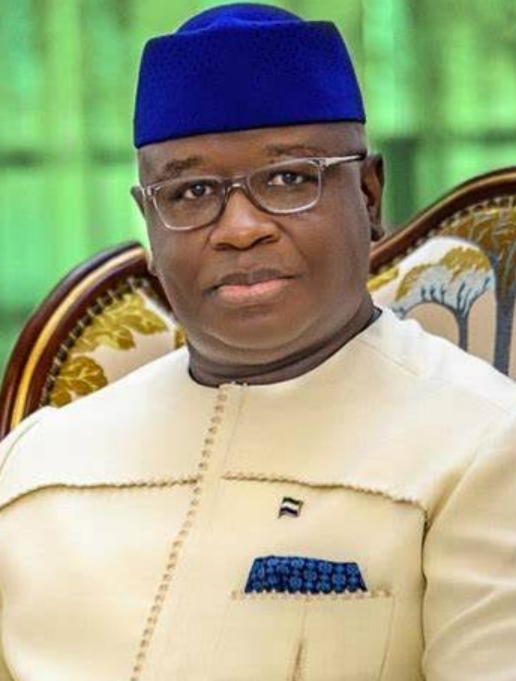
President Julius Maada Bio has called for urgent financing to close an estimated US$13.5 million funding gap ahead of the 2026 national population and housing census.
Speaking during a briefing on national development planning, President Bio said the census, projected to cost about US$37 million, is critical for evidence-based policy and service delivery in the coming decade.
“The census is not an expense; it is an investment,” President Bio said. “We need partners to urgently come on board to close the remaining gap so we can deliver a credible, timely and inclusive count for all Sierra Leoneans.”
According to figures released by the government, Sierra Leone has pledged US$24 million toward the exercise. About US$15 million of that pledge has already been disbursed to the statistics authority to begin preparatory work, including mapping, procurement of equipment, and recruitment and training of enumerators.
That leaves a shortfall of roughly US$13.5 million needed to complete full field operations, data processing, and dissemination scheduled for 2026.
Officials say the census will provide updated data on population size, distribution, age structure, housing conditions, and access to basic services. The data will guide the next medium-term national development plan, district-level resource allocation, and Sierra Leone’s reporting on the Sustainable Development Goals.
The last comprehensive population and housing census was conducted in 2015. Planners note that a 10-year interval is standard, and delays could affect planning for health, education, elections, and disaster response.
Government officials indicated they are engaging development partners, the UN system, and the private sector to mobilize the outstanding funds. The statistics office has also been directed to prioritize transparency and efficiency in the use of resources already released.
With preparatory activities underway, authorities say closing the financing gap in the next few months will be key to keeping the 2026 timeline on track.