


With less than two years to the crucial 2028 General Elections, the Office of National Security (ONS) has fired the first shot in early preparation for peaceful polls by hosting a high-level stakeholder validation of the Regional Election Security Baseline Risk and Threat Assessment Report.
The validation workshop was held on Wednesday, 14th October 2026, at the Conference Room of the ONS on OAU Drive, Tower Hill, Freetown.
It brought together a broad spectrum of election stakeholders – political party representatives, security sector institutions, development partners, the Sierra Leone Association of Journalists (SLAJ), the National Youth Commission, the Independent Commission for Peace and National Cohesion, the Inter-Religious Council of Sierra Leone, the Sierra Leone Teachers’ Union, women and youth groups, persons with disabilities and community leaders.
Led by the ONS with support from the United Nations Development Programme (UNDP) and the Embassy of Iceland, the Regional Baseline Assessment is a comprehensive early-warning document that examines electoral risks across all regions, their underlying causes and potential triggers, and the capacity of institutions to prevent and manage them.
The report, according to ONS, draws on months of regional consultations and the views of government and security institutions, electoral management bodies, political parties, community leaders, civil society, women and youth groups, PWDs, the media and development partners.
The validation workshop provided a critical platform for stakeholders to review and validate the assessment’s key findings, analysis, identified risks and emerging trends, while providing technical and institutional inputs to ensure the report accurately reflects the prevailing political, electoral and security environment.
It also facilitated the identification of information gaps, emerging risks, areas requiring additional analysis, and the validation of political hotspots, risk drivers, vulnerabilities and institutional preparedness.
In his welcome address and statement of purpose, the National Security Coordinator and Head of ONS, Abdulai Caulker, thanked UNDP, the Embassy of Iceland and all institutions for supporting what he described as a vital national effort.
Elections, he said, are central to democratic governance, but political competition can intensify existing grievances, misinformation, economic pressures and community disputes – tensions that can quickly develop into violence if warning signs go unaddressed.
“Peaceful elections therefore require early preparation, credible information and coordinated prevention efforts,” Caulker warned.
He said the draft report is intended to guide early warning, prevention, security planning and allocation of resources ahead of 2028. “It should help institutions clarify responsibilities, address capacity gaps and coordinate their preparations,” he noted.
He emphasized that the assessment is a planning baseline, not a fixed prediction or label for any community or district, saying risks can change and must be monitored, with sensitive information handled carefully.
Once finalized, Caulker said, the report must guide action, with the Integrated Elections Security Planning Committee (IESPC) translating its findings into shared priorities, integrated security plans and early warning and response arrangements.
“The foundations for credible elections in 2028 must be laid now,” Caulker stressed, urging open and constructive deliberations.
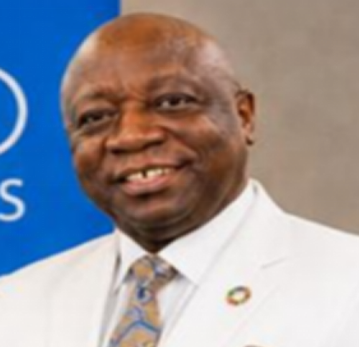
In his statement, Deputy Resident Representative of UNDP in Sierra Leone, Kevin Petrini, commended ONS leadership for its strategic vision and sustained commitment to timely identification of threats to peaceful elections.
“For UNDP and our donors, supporting this assessment reflects our commitment to strengthening Sierra Leone’s national capacities for inclusive governance, mitigation of conflicts and sustainable development,” Petrini said.
He said UNDP’s support is anchored on the conviction that credible evidence and forward-looking analysis must inform national preparedness.
“The regional baseline risk and threat assessment is therefore timely and important to Sierra Leone’s prevention and preparedness efforts. By consolidating evidence and stakeholder perspectives, the assessment provides an opportunity to strengthen our collective understanding of the risk environment,” he said.
He described the validation as a critical step to ensure the report is credible, contextually grounded and useful, warning that success will not be measured by producing a report, but by using its findings to anticipate risks and protect democratic participation.
First Secretary of the Embassy of Iceland, Karl Fannar Saevarsson, thanked ONS for its work and pledged continued support to development interventions.
Deputy High Commissioner of the British High Commission, Mendi Hussain, thanked ONS for the invitation and praised the comprehensive nature of the report.
Presenting the draft report, Chief of Staff of ONS, Francis Langumba Keili, led lengthy discussions with significant inputs from political parties and the President of the Sierra Leone Teachers’ Union.
At the end, NS Coordinator Caulker gave stakeholders one week to go through the draft and submit inputs to produce a detailed, professional final report that will be nationally accepted.
For Sierra Leoneans still scarred by pockets of violence in the 2018 and 2023 elections, the ONS move is seen as a proactive step to ensure 2028 is not business as usual.