


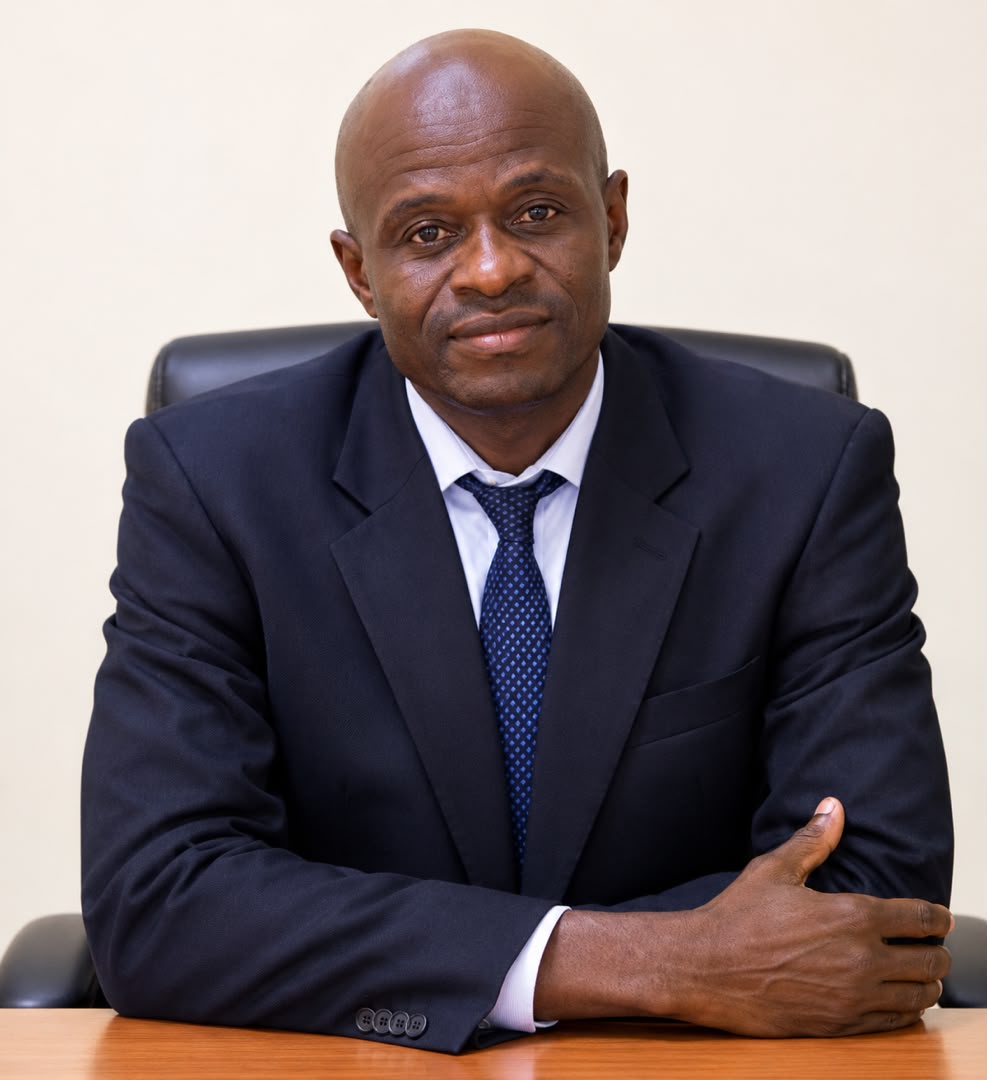
By Bailor Amid Saheed Kamara
Does China seek to promote anti-Western ideology in Sierra Leone? The question deserves a careful answer. China presents its partnership with African countries as an alternative to Western influence, often stressing sovereignty, non-interference and cooperation among developing nations. That message challenges the West’s traditional influence over global debate. But Sierra Leone need not adopt an anti-Western position—or China’s political system—to benefit from closer ties with Beijing.
The more useful question is whether engagement with China can support national development while protecting Sierra Leone’s freedom to make its own choices.
China and Sierra Leone have maintained diplomatic relations since 1971. Their partnership has included assistance with projects such as the National Stadium and the China–Sierra Leone Friendship Hospital at Jui. More recent cooperation has covered the stadium’s rehabilitation, health services, agricultural technical assistance, vocational training and digital infrastructure. In 2025, the two countries launched a hospital partnership linking Jui with China’s Xiangya Hospital, with plans for telemedicine and support in several medical specialties. Chinese-funded businesses have also invested in projects such as Maforki Chiefdom, Port Loko District. These examples show the breadth of the relationship, though the terms, costs and expected benefits differ from project to project. (Sierra Leone News Agency; China’s Ministry of Foreign Affairs; China–Sierra Leone hospital initiative; Maforki Port)
China argues that international rules and public debate have been shaped disproportionately by Western powers. In response, it promotes a different account of development—one that puts state-led planning, infrastructure, economic growth and national sovereignty at the centre. In Africa, that message often contrasts China’s offer of partnership with the history of colonial rule and unequal relations with Western countries.
That argument can resonate in Sierra Leone, where people know the legacy of colonialism and continue to face poverty, unemployment, inadequate infrastructure and pressure on public services. Sierra Leoneans have reason to ask whether every development solution must follow a Western model. They should also ask whether outside partners—East or West—are delivering visible benefits and respecting the country’s priorities.
China’s emphasis on South–South cooperation, mutual benefit and non-interference may appeal to Sierra Leone because it offers room to diversify partnerships and advance African priorities in international forums. But a different development approach is not automatically a better one. Its value must be measured by results, fair terms and whether Sierra Leoneans retain control over decisions.
The strongest case for closer cooperation is practical. Sierra Leone needs reliable roads, ports, electricity, digital connectivity, stronger hospitals, more productive agriculture and better skills for young people. Chinese finance, companies, technology and training could help meet some of those needs.
The National Stadium is a visible public project. The Jui hospital partnership could help expand specialist care and telemedicine, while digital connectivity could support education, business and public services. Agricultural cooperation could help farmers raise yields, process more produce at home and reach markets. Investment in ports and transport could support trade, provided local communities benefit and environmental and social impacts are properly managed.
The Belt and Road Initiative and China’s wider economic partnerships are presented as ways to connect countries through infrastructure, trade, investment and people-to-people exchanges. For Sierra Leone, such cooperation should serve clear national priorities: local jobs, skills transfer, transparent contracts, maintenance plans and lasting benefits for communities. A project that is built quickly but cannot be maintained—or creates costs the country cannot afford—is not a development success.
Nor should “no strings attached” be treated as a blanket description of every Chinese project. Grants, loans, commercial investments and technical assistance carry different terms and obligations. Sierra Leone should publish and assess those terms carefully, as it should with agreements involving any partner. The 2018 decision to cancel the proposed Mamamah airport project, following concerns about its cost and economic case, illustrates the importance of national scrutiny and the ability to reconsider projects. (Reuters coverage via Axios)
China’s influence also extends beyond construction and trade. The material informing this article describes a broader Chinese effort in Africa involving political-party exchanges, training for officials, media partnerships, journalist visits and scholarships, cultural programmes such as Confucius Institutes, and the promotion of Chinese perspectives through state media and social platforms. It also describes China’s messaging on governance, sovereignty and sensitive issues including human rights, Taiwan, Hong Kong and the origins of COVID-19.
These activities can create opportunities for learning, language study and professional exchange. They can help Sierra Leoneans understand China directly, rather than relying only on accounts produced elsewhere. At the same time, sponsored travel, training or media cooperation should never require journalists or public institutions to repeat a partner’s preferred views. Sierra Leonean media must remain free to examine Chinese projects, Western projects and domestic government decisions with equal independence.
Claims about pressure on journalists, misinformation, censorship and the spread of authoritarian practices concern patterns reported in other African countries; they should not be presented as established facts about Sierra Leone without specific evidence. They do, however, point to sensible safeguards. Media partnerships should be transparent. Public contracts and loan terms should be accessible. Digital infrastructure should protect privacy, competition and freedom of expression. Police and security cooperation should operate under Sierra Leonean law and democratic oversight.
China’s development model offers an alternative in some areas, and a stronger relationship can serve Sierra Leone if it helps meet local needs. But framing that opportunity as an anti-Western campaign would narrow the country’s choices and risk replacing one form of dependence with another.
Sierra Leone can work with China, the United States, the United Kingdom, the European Union, African partners and others, drawing investment and expertise from each while setting its own terms. China’s emphasis on sovereignty can support this approach when it means respect for Sierra Leone’s right to choose its development path. It should not mean shielding any partner from scrutiny or discouraging open discussion.
The goal should not be hostility towards the West. It should be greater confidence, bargaining power and progress on Sierra Leone’s own priorities. If China’s partnership brings affordable infrastructure, better health and agricultural services, stronger skills and fair opportunities for Sierra Leonean businesses, it will strengthen relations through results. With transparency, open debate and national oversight, China can be a strong and lasting partner in Sierra Leone’s development—on Sierra Leone’s terms.