


The Sierra Leone Association of Journalists (SLAJ) has issued a powerful demand for justice, accountability and an end to impunity for crimes against journalists as the world commemorates the 2026 International Day to End Impunity for Crimes Against Journalists.
In a press release issued on November 2, 2026 and signed by Secretary General Edward Farah Marah, SLAJ said it joins the global media community with more than a symbolic observance, warning that every unresolved attack against a journalist weakens the public’s right to know and emboldens those who seek to suppress independent reporting.
This year’s global theme, “Threats Evolve. Impunity Endures”, SLAJ said, captures a disturbing reality – while methods used to threaten and silence journalists continue to evolve, the failure to hold perpetrators accountable remains a serious threat to press freedom, democracy and the rule of law.
Quoting UNESCO, SLAJ revealed that 189 journalists were killed in violent attacks in 2024 and 2025, while 86 per cent of cases of journalist killings recorded since 2006 remain unresolved or abandoned.
The Association aligned itself with the joint statement by the African Union Commission and the Federation of African Journalists (FAJ), calling on African governments to strengthen national safety mechanisms, investigate attacks, and ensure laws are not used to intimidate journalists. It also highlighted the particular risks faced by women journalists and growing digital threats.
SLAJ acknowledged Sierra Leone’s progress, notably the repeal of criminal and seditious libel in 2020 and the landmark MoU signed between SLAJ and the security sector on November 2, 2020, under the Office of National Security (ONS) to improve journalist safety.
Six years on, SLAJ says it is in discussions with security authorities to review the MoU and strengthen commitments in response to evolving threats.
However, the Association warned that gains must not be taken for granted, expressing concern over continued threats, intimidation, harassment and the increasing use of digital platforms to target journalists.
SLAJ is particularly concerned about provisions of the Cyber Security and Crime Act, 2021, which it says require urgent review to ensure they do not criminalize legitimate public-interest reporting. It is also intensifying its campaign for inclusion of a dedicated Chapter 12 on Mass Media Freedom and Freedom of Expression in the new Constitution.
“Women journalists, in particular, must be protected from online violence, sexualised harassment and other forms of gender-based intimidation intended to silence them,” the release stated.
SLAJ issued eight demands to Government, Parliament, Police, Judiciary and stakeholders:
1. Investigate all reported attacks against journalists promptly and impartially.
2. Ensure prosecution and accountability, including those who plan and finance attacks.
3. Advance constitutional protection by supporting proposed Chapter 12.
4. Review restrictive provisions of the Cyber Security and Crime Act.
5. Protect journalists covering elections and protests.
6. Address digital threats and violence against women journalists.
7. Strengthen national safety mechanisms and security-sector cooperation.
8. Promote newsroom safety and decent working conditions.
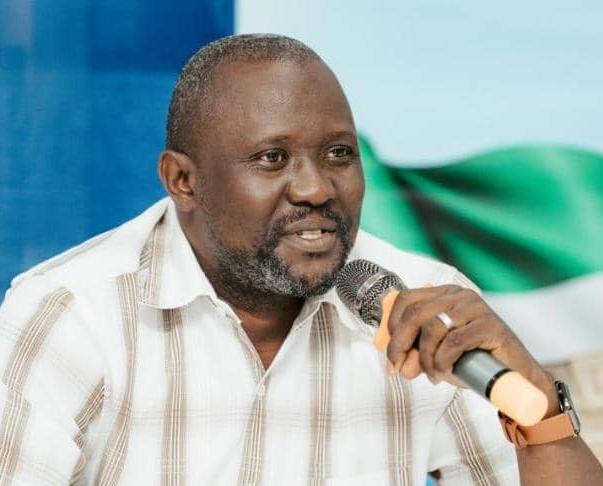
In a statement, SLAJ President Alhaji Manika Kamara warned: “Journalists must not have to choose between telling the truth and protecting their safety. When a journalist is attacked for doing their job, and those responsible are allowed to walk free, it sends a dangerous message that anyone seeking to silence the truth can act without consequences.”
He added: “Impunity is not a victimless failure. It encourages further attacks, intimidates other journalists into silence and denies citizens the information they need to hold power accountable… Journalism is not a crime, asking difficult questions is not an offence, and exposing wrongdoing must never put a journalist’s safety at risk.”
SLAJ reaffirmed that there can be no genuine press freedom without journalist safety, no safety without accountability, and no accountability where perpetrators act with impunity.