


National Revenue Authority (NRA) has emerged as an active voice in regional discussions on the future of taxation, contributing practical proposals on digital taxation, information sharing and modern tax administration at the 23rd General Assembly and 8th High-Level Policy Dialogue of the West African Tax Administration Forum (WATAF).
The five-day gathering, held from September 15–19 at the Ghana Revenue Authority’s hosting in Accra, was convened under the theme: “Building Stronger Tax Administrations for Revenue Mobilisation and Sustainable Development”. It brought together Finance Ministers, Commissioners-General, tax administrators, policymakers, development partners and international experts to examine how African countries can strengthen domestic revenue mobilization in a rapidly changing economic environment.
The 2026 Assembly was particularly significant as WATAF marked 15 years of regional tax cooperation, having trained more than 5,000 tax officials and expanded partnerships with regional and international institutions since its establishment in 2011.
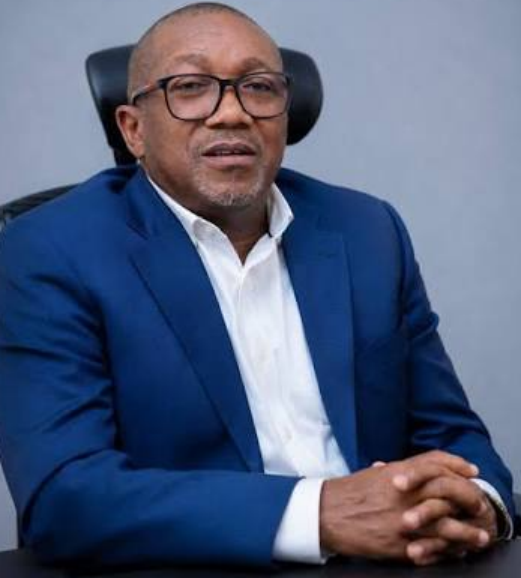
Sierra Leone’s participation was led by Deputy Commissioner General II of the NRA, Mr Edmond B. Nonie, with Senior Commissioner Dr Ibrahim Sorie Kamara also contributing to technical discussions on the taxation of the digital economy.
A key contribution from the Sierra Leone delegation focused on the growing volume of digital transactions, particularly those conducted through mobile money platforms. The NRA representatives called for stronger regional approaches to understanding and taxing digital economic activities, noting that frequent digital purchases of locally available goods and services represent significant economic activity that requires further study and appropriate tax treatment.
Senior Commissioner Dr Kamara urged the Forum to take concrete steps to harmonize approaches across the region.
“WATAF should develop practice notes that members should be using to guide the taxing of the digital economy, while incorporating them in our local legislation,” says Ibrahim Sorie Kamara, Senior Commissioner.
The discussions in Accra reflected a broader recognition that tax administrations can no longer operate in isolation as businesses, capital and digital transactions increasingly cross national borders. The High-Level Policy Dialogue was designed to focus on emerging tax policy challenges, digital transformation, domestic revenue mobilisation and innovation.
For the NRA, the General Assembly provided an important platform not only to learn from other tax administrations, but also to place Sierra Leone’s experiences and ideas at the center of regional conversations on the future of taxation.
During the fourth panel discussion, on Future-Ready Tax Administration: Digital Transformation, Innovation and Data-Driven Compliance, Deputy Commissioner General II Mr Edmond Nonie challenged his peers to think beyond current technology.
“A future-ready tax institution is not only about technology and software. We must also consider how new technologies will affect future revenue. Wider use of electric vehicles could reduce petroleum excise, and AI replacing human workers could reduce PAYE collections. Tax authorities must plan for this changing landscape,” Nonie said.
In a crowning moment for Sierra Leone, the NRA was recognized and awarded at the 23rd General Assembly Gala & Dinner in Accra for its outstanding contributions to regional tax cooperation. The award places the NRA among the leading tax administrations driving peer learning and institutional cooperation in West Africa.
Sierra Leone’s engagement in Accra reinforces the NRA’s commitment to innovation, regional cooperation and digital transformation as the Authority continues to strengthen tax administration and improve domestic revenue mobilization.
The message from Accra was clear: the future of tax administration will depend increasingly on data, technology, cooperation and the ability of tax administrations to keep pace with rapidly evolving economic activity.