


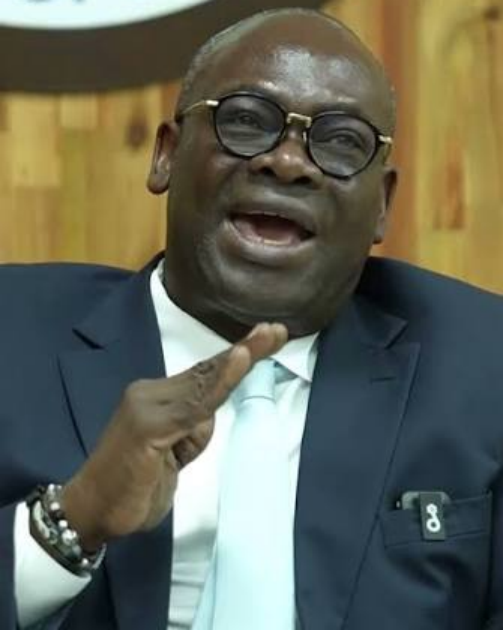
…Finance Minister
Finance Minister, Karefa Kargbo has warned that Sierra Leone’s energy sector has become a “critical menace” to the national economy, revealing that unpaid energy bills have ballooned to about $150 million and are growing by $2 million every month.
Speaking at the FY2027 Budget Preparation Process during the National Policy Hearings in Freetown, Kargbo said energy sector reform is now a critical imperative if the government is to protect development plans and restore fiscal stability.
“It has to stop,” the Minister declared, outlining measures to improve collection rates and introduce private management to stem losses.
Painting a stark picture of inefficiency, Kargbo said the government is losing more than half of the power it generates before it even reaches collection.
He noted that for every $100 worth of power generated and billed to the government, 55% is lost immediately through commercial, technical and other losses. “And then we play around with collection, and we’re only getting what 35, 20%,” he said. “So for every $100, we’re only receiving 20, and the $80 is coming to us as a government to pay, and this is taking away from all the plans President Bio has.”
The Minister stressed that the $150 million is not an investment in infrastructure but accumulated debt for energy consumed and not paid for.
“As we speak, the bill from the energy sector has grown to about $150 million. This is just a debt. It’s not money that we’re going to spend on infrastructure. It’s not money that we’re going to invest in the power sector. This is just debt that they’ve taken energy, and they haven’t paid back,” he said. “Every month the Ministry of Energy adds $2 million extra to the bill.”
Mr Kargbo said the outstanding obligations of about US$150 million represent an existing liability rather than planned new spending, and that reforms are needed to address structural challenges in the sector.
As part of the reform, the government is targeting a significant improvement in power collection efficiency and plans to bring in private management for the distribution network. He said the intervention is aimed at stopping commercial losses, improving billing and collection, and enforcing accountability.
The energy warning formed part of a broader fiscal reform agenda Kargbo unveiled at the start of the FY2027 budget process. The agenda includes stricter performance contracts for revenue agencies in collaboration with the National Revenue Authority, stronger enforcement against tax evasion through electronic tax systems, a more restrictive approach to tax exemptions limited to strategic investments, and tighter monitoring of customs and warehouse operations.
He also disclosed that the government is reviewing the Public Financial Management Act and the Public Procurement Act to strengthen transparency, budget execution and value for money in public spending. Mŕ
Kargbo, who was appointed Finance Minister in the August cabinet reshuffle, said his Ministry is determined to curb waste and redirect resources to priority areas. He noted that between February and August 2026, the government spent about NLe196.8 million on fuel subsidies to cushion citizens from rising fuel and transport costs, underscoring the pressure subsidies and energy liabilities are placing on the budget.